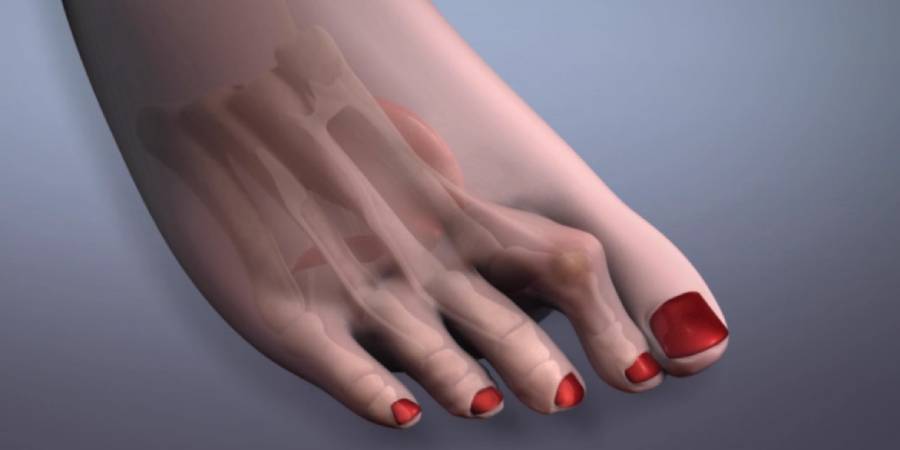

Why a Bunion Keeps Growing and What Slows It Down

What Makes Unique Incision Surgery in Houston Different from Standard Foot Procedures
August 17, 2026
Why the Holidays May Be the Perfect Time for Foot Surgery
October 5, 2026
A bunion shifts slowly, which is why so many people wait too long to address it. Shoe choice matters, though the real driver sits in the bone alignment. Measurement, early care, and honest timing decide how much of the joint can still be saved.
Takeaways:
- Bunion progression stems more from joint mechanics than from footwear alone.
- X-ray angles indicate to a podiatrist how far the deformity has progressed.
- Waiting until walking hurts limits which corrections remain possible.
Most people notice the bump long before they notice the pain. It sits there for years, a little wider each season, and shoes start feeling narrow in a way that seems like the shoe’s fault. Then one morning the first few steps sting. That is usually when the phone call comes in, and by then the joint has already moved a fair amount.
Slowing that movement requires an honest look at what is happening beneath the surface. Podiatrists offering bunion treatments in Houston work from imaging and gait patterns rather than the size of the bump, because two feet with identical bumps can require different care. One might respond to padding and a wider toe box. The other may already need the bone repositioned.
What Actually Pushes the Big Toe Out of Line
Narrow shoes speed things along, though they rarely start the problem. Inherited foot structure does most of the work, especially the first metatarsal, which sits loose and drifts inward with every step. Tight shoes then press the toe the rest of the way. Both things are true at once.
On an X-ray, a podiatrist measures the intermetatarsal angle between the first two metatarsals, and that number tracks the deformity far better than appearance does. A small angle usually means conservative care still has room to work. A wide one signals the joint has rotated past what padding can hold.
Signs the Bunion Has Moved Past Simple Care
Early bunion discomfort comes from rubbing against each other. Later discomfort comes from inside the joint itself, and sometimes from bursitis, in which the small fluid sac beside the joint swells and remains sore even when barefoot. That shift matters. Rubbing pain responds to space. Joint pain does not.
Common signs the deformity is progressing:
- The second toe begins crossing over or under the big toe
- Calluses form under the ball of the foot from redistributed weight
- Stiffness appears when bending the big toe upward
- Wider shoes stop making any difference
Acting Before the Joint Decides for You
There is no reliable way to reverse a bunion without surgery, but there is a real difference between correcting a joint that still moves well and rebuilding one that has stiffened. Timing decides which operation is available. Anyone watching a bunion widen year after year benefits from a proper, measured assessment now, while more of the options are still open.