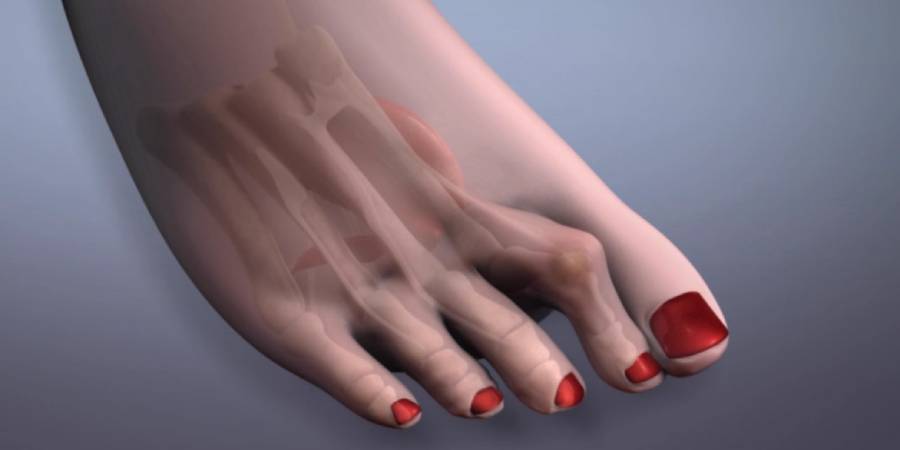

What Makes Unique Incision Surgery in Houston Different from Standard Foot Procedures

8 Foot Health Habits That Help Prevent Common Problems [Infographic]
August 13, 2026
Why a Bunion Keeps Growing and What Slows It Down
September 9, 2026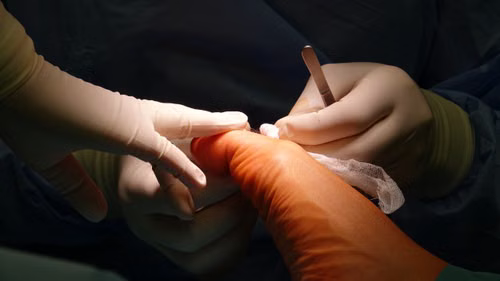
Unique incision surgery corrects a bunion exactly like a standard procedure, but places the cut on the side of the foot instead of the top, so the healed scar stays hidden even when wearing sandals. Paired with a pain pump and a faster return to work for some patients, it removes the two biggest reasons people delay surgery: pain and a visible scar.
Key Takeaways
- Unique incision surgery treats the same bunion deformity as a standard bunionectomy; only the incision placement changes, not the correction itself or the results.
- The cut sits on the side of the foot instead of the top, so the healed scar stays out of sight in sandals and open shoes.
- Some surgeons pair the procedure with a pain pump that delivers anesthetic directly to the surgical site, keeping early post-op pain minimal or absent.
- Recovery depends on your daily reality; some patients with desk jobs return to work within a day or two.
Ask anyone who has put off bunion surgery why they keep waiting, and you will hear two fears on repeat. The first is pain. The second, mentioned almost as often, is the scar. A long mark running across the top of the foot announces the operation to everyone, every summer, for the rest of your life. Unique incision surgery exists because of that second fear. It rethinks where the cut goes, not what the surgery does, and that one change matters more than most patients expect. Standard procedures and unique incision surgery in Houston treat the same deformity. The difference sits in the placement of the incision and what your foot looks like once everything heals. Here are how the two approaches compare.
Where Standard Foot Procedures Place the Incision
Thousands of bunionectomies happen every year, and most follow the same playbook. The surgeon opens the foot along the top or directly over the joint, corrects the bone, and closes the site. The surgery itself usually succeeds. The scar is the trade-off. That trade-off is exactly what unique incision surgery in Houston was designed to remove, by shifting the incision to the side of the foot where it stays out of sight.
Skin on top of the foot is thin and constantly on display. Sandals, flip-flops, even certain sneakers put the mark in plain view. Some people shrug at this. Plenty of others quietly stop wearing open shoes altogether, which feels like a strange outcome for a procedure meant to give them their feet back.
How Unique Incision Surgery Hides the Scar
This unique incision approach moves the cut to the side of the foot instead. The correction happens the same way. The entry point sits where eyes rarely land. Once healed, the line stays tucked out of sight, and you can wear sandals without a visible reminder of the operation.
One question comes up right away. Does moving the incision weaken the procedure? The answer is no. Moving the location of where the procedure takes place will not compromise the process itself or the results of the procedure. The joint will be straightened out, the bone growth removed, and the foot returned to its intended place. You lose nothing. You stop advertising your medical history.
Pain Control Sets These Procedures Apart Too
Scarring is not the only place where the experience differs. Some surgeons use it in conjunction with a pain pump, a small machine that delivers a small amount of anesthetic directly to the operation site. The patients who go through it typically experience minimal or no pain after the surgery in the early days, which is when it is most painful.
Recovery timelines surprise people as well. Depending on what your job demands, a return to work within a day or two is possible for some patients. A desk job and a warehouse job are obviously different situations, so the timeline bends around your daily reality rather than a fixed chart.
Wrapping Up
Talk to a podiatric surgeon who performs the side-placement technique and have them examine your joint. Bring your questions about scarring, pain control, and recovery in writing. A bunion only moves in one direction over time. The sooner you weigh your options, the smaller the correction your foot will need.